Why Use 40 mm PVC Pipe to Bend Wire Handles for Reclaimed Packaging
When repurposing materials for DIY storage systems, creating uniform handles with repeatable curves is a game changer, especially when batch making dozens of handles for boxes, crates, and totes. If you’ve ever struggled to bend wire handles consistently — relying on guesswork or flimsy tools — you know how inconsistent results can lead to sagging bags or unreliable load-bearing straps that disappoint like a ragged library return.
In this post, I’ll explain why 40 mm PVC pipe is the overlooked hero for bending wire handles, how understanding wire gauge and load capacity affects your project’s safety and durability, and why the right tools—specifically parallel-action pliers and side cutters—are critical for clean, precise work. I’ll also cover how reinforcing reclaimed packaging before drilling prevents sudden failures that wreck even the best design.
The Case for 40 mm PVC Pipe: The Perfect Form for Wire Bends
One of the biggest headaches in reusing packaging materials—whether cardboard boxes transformed into storage bins or plastic totes upgraded with wire handles—is ensuring every handle matches its siblings. This consistency matters not just aesthetically but practically, for balanced weight distribution and durability.
Why 40 mm Diameter?
The 40 mm PVC pipe diameter hits a sweet spot for many common wire gauges (typically 12 to 14 AWG) used in handle-making. Think of the pipe as a sturdy mandrel or form that guides the wire into a curve that’s:
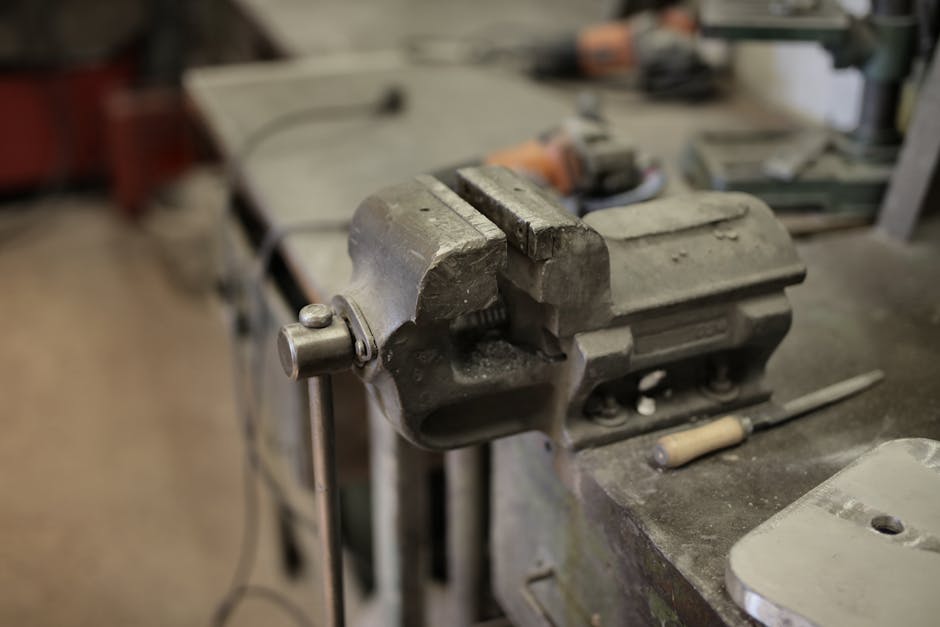
- Consistent: The same diameter means every handle matches within ±1 mm tolerance—like neatly stacked spines on a bookshelf.
- Comfortable: The curve is wide enough to fit fingers comfortably, avoiding sharp angles that dig in.
- Strong: The gradual bend minimizes stress points that can cause metal fatigue or breakage over repeated loading.
Compared to makeshift solutions (bending around thinner pipes, cans, or scrap wood), the 40 mm pipe presents a reliable “library spine” to build uniform “book handles” that you can repeat easily in batches—a must-have for any DIYer tackling multiple projects or wanting professional-grade results.
Wire Gauge Matters: Balancing Load Capacity and Workability
Wire thickness (measured by gauge) directly affects your handle’s durability and ease of shaping. A thicker gauge (lower number, like 12 AWG) means stronger metal that handles heavier loads—think crates filled with paperbacks about 10 kg each. But thicker wire demands more force to bend and cut, requiring better tools and a robust bending form (hello, 40 mm PVC pipe).
Conversely, thinner wire (14 to 16 AWG) is easier to bend, but less reliable under sustained load or rough handling. Choosing your wire gauge based on expected use prevents woes like sagging handles, or worse, sudden failure.
Wire Gauge Diameter (mm) Typical Load Capacity (kg) Recommended Use 12 AWG 2.05 12-15 Heavy crates, large totes 14 AWG 1.63 6-10 Medium boxes, gift bags 16 AWG 1.29 3-5 Light packages, decorative useFor reclaimed packaging, I generally aim for 14 AWG wire bent around 40 mm PVC pipe. This combo supports tens of kilograms reliably—not just for a “light touch” handhold but actual load-bearing strength. Plus, it’s manageable with household hand tools.
The Tool Trio: Parallel-Action Pliers, Side Cutters, and 40 mm PVC Pipe Mandrel
DIY wire handle making demands clean, safe cuts and precise bends. Using the right tools avoids frustrations that make a project feel like an overgrown reference shelf about to collapse.
Parallel-Action Pliers: The Precision Benders
Unlike regular slip-joint pliers, parallel-action pliers hold jaws perfectly aligned through the grip. This creates uniform pressure across the wire and prevents pinching or uneven bends. When wrapping wire around the 40 mm PVC pipe, parallel pliers:
- Create smooth, repeatable curves without kinks or flattened spots
- Give you greater leverage without distorting wire cross-sections
- Help form dependable hooks or loops that lock tightly into packaging
Side Cutters: The Clean Cut Experts
Skipping the side storage box handle repair cutters or using dull ones can leave ragged wire ends with sharp burrs—a definite no-go in a storage or gift packaging setup that should evoke trust, not hazard warnings. Good-quality side cutters:
- Make clean trims that prevent wire unraveling
- Minimize bending or deformation at cut ends
- Speed up batch production while maintaining professional finish
Combining Pipe + Tools for Batch-Made Uniform Handles
Lay out your 40 mm PVC pipe on a workbench, secure it against sliding, and use parallel-action pliers to bend pre-cut wire lengths snugly around the pipe. Cut ends cleanly with side cutters, then shape ends into hooks or simple loops consistent across all pieces before attaching handles to your packaging.
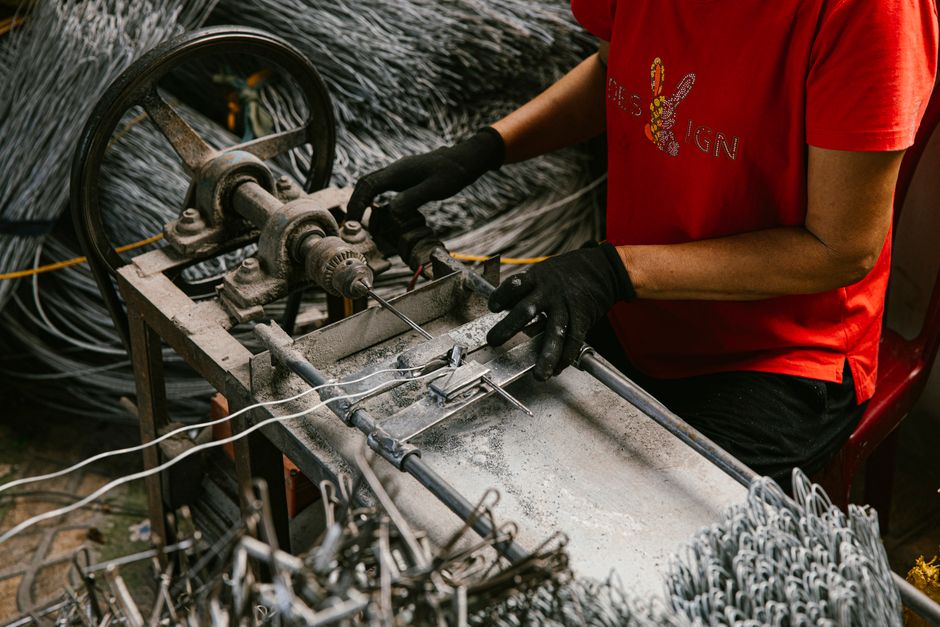
Batch making handles this way saves time—it’s like printing multiple copies from a tight template instead of crafting each “book spine” by hand. It creates a visual and functional harmony critical for small flats or garage storage where stacking uniform crates matters to avoid unexpected drops.
Reinforcing Weak Materials Before Drilling
Finally, remember: reclaimed boxes and bags can be unpredictable when adding holes for wire handles. Drilling directly into thin corrugated cardboard, recycled plastic bags, or de-laminated totes often worsens weak spots, leading to tearing or sudden failures.
Best practice before drilling:
- Double-layer or reinforce the hole area using scraps of firm cardboard or lightweight plywood glued under or over the drilling site. This distributes pressure like a well-placed bookend.
- Use a small pilot hole to keep drill tears tidy and avoid creating jagged edges that propagate rips under tension.
- Consider adding washers or grommets around your wire handle holes to further stabilize the junction and protect volatile materials from wear over time.
These reinforcements and precision drilling transform weak reclaimed packaging into trustworthy storage vessels, much like archival-quality covers stabilize rare books. Lazy anchoring or skipping this step too often means a sudden, deflating drop that wastes all your careful handle work.
Summary: The DIY Storage “Library” Needs Uniform, Durable Wire Handles
Using 40 mm PVC pipe as a bending mandrel helps you create standardized, comfortable, and robust wire handles that hold multiple kilos reliably—very important when your reclaimed packaging storage might be holding dozens of paperbacks or tools. Choosing the correct wire gauge balances strength and workability, while parallel-action pliers and side cutters deliver clean bends and cuts essential for professional-looking finishes. Lastly, reinforcing holes before drilling keeps weak reclaimed materials trustworthy, avoiding the sudden drops that ruin your best projects.
With these simple techniques and tools, your DIY storage creations become as satisfying and dependable as a well-curated library, shelf after shelf of perfectly uniform spines, ready for whatever life throws at them.