Wall Mount vs Ceiling Cassette Mini Split: Which Looks Better?
After years of surviving a broken whole-house AC and placing my faith (and budget) in a portable AC unit that threw in the towel before its first birthday, I dove headfirst into the world of DIY mini splits. If you’re like me—someone who reads spec sheets, compares real pricing, and rolls their eyes at vague “energy-saving” claims—then this post is for you. Today, we’re comparing two popular indoor unit styles: wall mount vs ceiling cassette, focusing on their aesthetics and airflow, alongside some critical factors like DIY value, real pricing, and efficiency metrics like SEER2 and HSPF2.
Why DIY Mini Splits Are a Game-Changer (But Know What You’re Getting Into)
Mini splits have been my holy grail—not just for comfort, but for value. After my disastrous portable AC experience, I wasn’t about to invest thousands blindly. For instance, the Zone Air 12K BTU single zone (230V) system lists at around $2,049.99, which is a realistic, upfront price compared to the usual “call for a quote” dealer nonsense.
One of the huge time- and cost-saving “secret weapons” is the use of pre-charged line sets paired with quick connect fittings. These mean less fiddly work with refrigerant handling, which can get messy or require a licensed professional (and let’s be honest, I’m not wiring or brazing copper coils behind a condenser for fun). But don’t let anyone tell you this is a weekend project for beginners — it’s not impossible, but definitely know your limits, especially with electrical work.
Direct-to-Consumer vs Dealer Network: What You Gain and What You Sacrifice
Companies like MRCOOL and Zone Air lead the direct-to-consumer mini split charge. You order online, get everything pre-charged and ready, and often get manuals that speak human, not sales fluff. Meanwhile, big-box stores like Home Depot carry brands and may offer installation services, but prices aren’t always transparent, and markups are common.
Direct-to-consumer kits usually save you a few hundred dollars and the headache of dealer markup, but you do give up some installation support or on-site warranty assistance if you DIY. For someone willing to read spec sheets and handle the install carefully, it’s a win.
Understanding SEER2 and HSPF2 Efficiency (Because Old Numbers Don’t Count)
Efficiency ratings have changed with the introduction of SEER2 and HSPF2. Here’s the simple scoop:
- SEER2 (Seasonal Energy Efficiency Ratio) measures cooling efficiency, updated to reflect better real-world conditions and testing procedures.
- HSPF2 (Heating Seasonal Performance Factor) captures heating efficiency, especially critical if you live somewhere cold.
Don’t buy into vague efficiency bragging. Look for units listing SEER2 ratings of 17 or higher and HSPF2 scores above 10 for reliable savings on your electricity bill. The Zone Air 12K BTU model mentioned earlier checks many of these boxes with cold climate heating down to -13°F, which is a game-changer if you’re on the northern fringe of usability.
Wall Mount Indoor Unit: Classic, Compact, and Effective
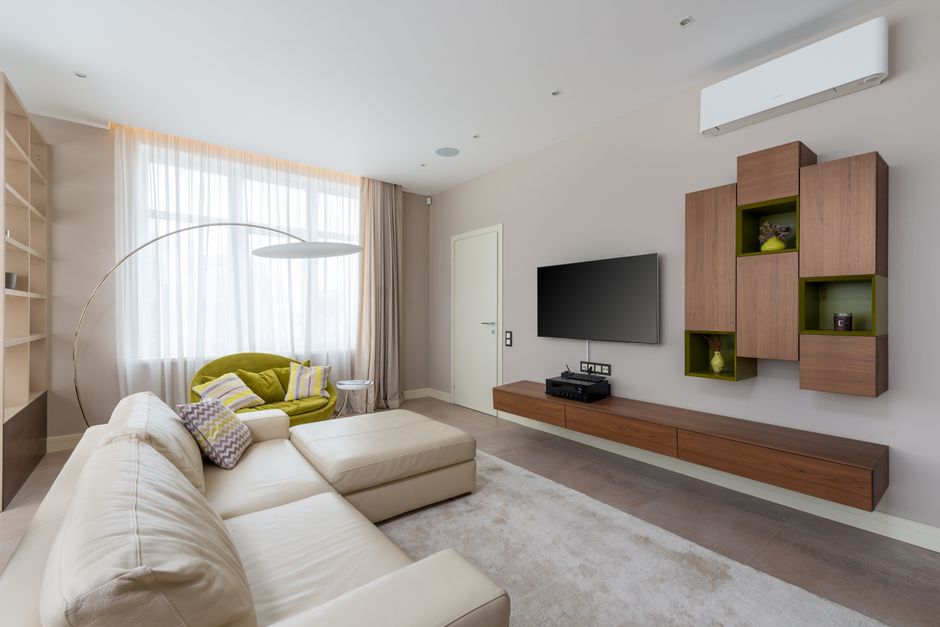
Starting with the familiar, wall mounts look like a split system’s signature. They sit high on the wall, just under the ceiling, and do a trustworthy job at moving conditioned air around a room efficiently.
Aesthetics
Wall mounts are generally sleek and unobtrusive, but their visible “rectangle” shape often means your eye is drawn to it, especially in smaller rooms. If you’re decorating a “real house” (and I often think about what would look good in mine beyond the rental chaos), they can clash with more minimalist or high-end decors.
Airflow
They direct air horizontally across the room, which can lead to better immediate feel but may struggle to distribute air evenly in large or open spaces. If you’re avoiding long stretches of coiled extra copper behind an outdoor condenser—a personal pet peeve—you’ll appreciate the simpler line runs to wall mounts.
Ceiling Cassette Indoor Unit: Modern, Discreet, and Spread Out
Ceiling cassettes are flush-mounted into a drop ceiling or ceiling cavity. If you have the architectural flexibility (not always the DIY starter choice), these units practically disappear into the room fabric.
Aesthetics
For homes with existing drop ceilings or modern layouts, ceiling cassettes blend in beautifully. They’re often favored in commercial spaces but increasingly popular in residential settings seeking that “out of sight” look. You get a clean ceiling with minimal visual intrusion, which, from a mom-of-three perspective, means fewer curious hands messing with the panel!
Airflow
What ceiling cassettes lack in wall-mount presence, they make up for by throwing air in four wide directions. This can improve comfort in larger rooms or hallways, distributing air better—though installation is more complex and sometimes pricier because of mounting, wiring, and ceiling work.
Which One Looks Better?
This ultimately comes down to your home’s style and retrofit constraints. The wall mount indoor unit is the easier, more budget-friendly install that tends to https://thehowtohome.com/mrcool-vs-zone-air-mini-splits/ fit in most homes without major changes. But if you have the ceiling space and desire a cleaner look, the ceiling cassette is a gorgeous statement of stealth and airflow engineering.
Quick Comparison Table
Feature Wall Mount Ceiling Cassette Aesthetics Visible; classic; can clash with modern decor Flush-mounted; discreet; works well in minimalist spaces Airflow Horizontal, single-direction focus Multi-directional (usually four-way), better distribution Installation Complexity Lower; often easier for DIY with pre-charged line sets and quick connect fittings Higher; requires ceiling modification and potentially professional installation Typical Pricing More budget-friendly (e.g., Zone Air 12K BTU single zone at $2,049.99) Generally higher; varies with ceiling modifications Maintenance Easy access for cleaning and filter changes More hidden; might be trickier to accessFinal Thoughts: What Would I Do in a Real House?
If I were outfitting my forever home (which doesn’t have to be a mansion, please), I’d start with wall mounts for the DIY-friendly install, transparent pricing from companies like Zone Air or MRCOOL, and ensuring I’m getting true SEER2/HSPF2 efficiencies with cold climate heating down to at least -13°F. That’s realistic comfort without the faux sales hype.
But if aesthetics were king and I had a finished basement or drop ceiling, I’d seriously consider ceiling cassettes to blend HVAC invisibly into the room, especially if I wanted the best airflow possible. Just don’t let anyone convince you it’s a simple swap — ceiling cassettes come with a bigger install learning curve and possibly higher price.
Whatever you pick, respect your electrical limits. Don’t risk your safety chasing DIY glory if wiring or breakers make you nervous. Always consult a professional if you need to, but enjoy the deep value and cooling comfort that thoughtful DIY mini splits provide.

Happy cooling (and heating)!
— A home-improvement mama who’s been there, sweat there, and finally conquered.