Three Mirrors Over One Vanity: Does It Look Busy or Clean?
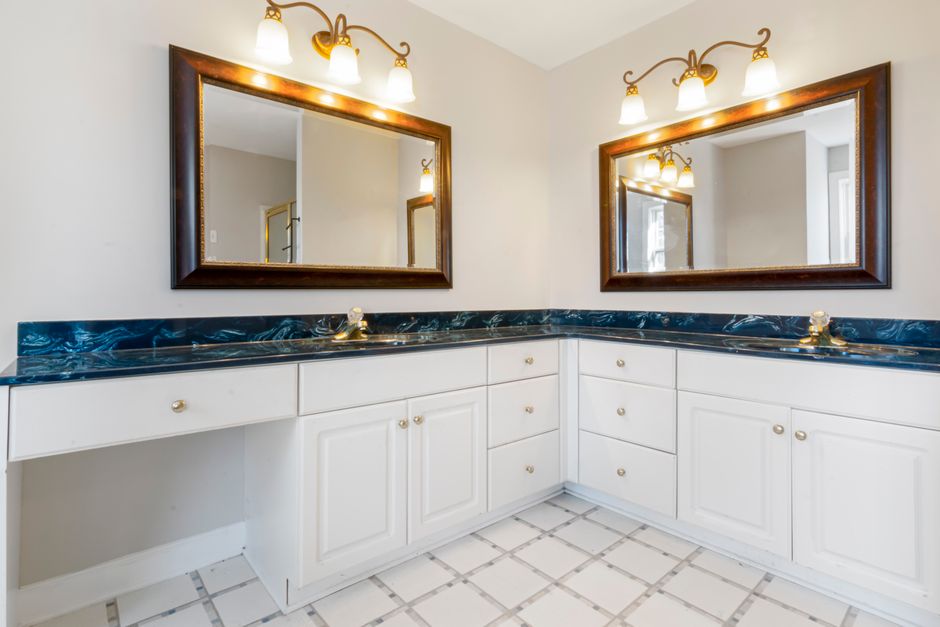
When designing a bathroom with a long vanity, one of the key decisions is how to treat the mirror situation. A particularly popular approach gaining traction is the three mirror layout installed over a single stretch of vanity. This design strategy promises tailored lighting for each user while breaking up what could otherwise be a massive, monolithic mirror. But the question remains: does it result in a visually busy composition, or can it maintain a clean, streamlined look?
In this post, we’ll explore some of the most effective options for bathroom mirror layouts, highlighting the evolving role of LED mirrors as replacements for traditional vanity light bars and sconces. We’ll also dissect the differences between backlighting, edge lighting, and in-glass light lines, and how these light sources interact with various wall surfaces like paint, tile, wood, and stone to affect the room’s ambience. For extra insight, we’ll reference credible sources such as Homedit and LED Mirror World, and discuss how designers and homeowners share real-world outcomes across Twitter and Facebook.
Why Opt for Three Mirrors Over a Long Vanity?
Long vanity mirror ideas often gravitate towards either one continuous mirror or multiple segmented mirrors. Here’s why the triptych style is compelling:
- Personalized lighting zones: Multiple mirrors allow for individual light adjustment and positioning, reducing shadows on each user’s face.
- Visual balance: Properly spaced, three mirrors create rhythmic separations that visually break up a long wall and add architectural interest.
- Reduced glare and reflections: Smaller mirrored areas can mitigate the harsh glare that sometimes accompanies a large expanse of glass.
- Style versatility: A three mirror layout fits transitional, modern, and classic aesthetics depending on mirror shape and frame choice.
Despite these pluses, this configuration has a reputation for potentially appearing busy or fragmented if not thoughtfully executed. The key, as design experts at Homedit highlight, is in pairing the mirrors with the right lighting style and wall treatment.
LED Mirrors: The Modern Replacement for Vanity Light Bars and Sconces
Traditional bathroom lighting usually means vanity light bars above or sconces flanking a mirror. While functional, these setups can obstruct sightlines and create uneven shadows. Increasingly, LED mirrors with built-in illumination are favored because:
- Integrated light source: The light emanates evenly across the face, simulating natural daylight better than spotty sconces.
- Cleaner design: Without the clutter of external lighting fixtures, the vanity wall gains a sleeker profile.
- Energy efficiency: LED technology offers long-lasting, low-heat lighting.
- Multiple lighting styles: LED mirrors come with backlighting, edge lighting, and in-glass light lines that impact both function and ambiance.
LED Mirror World
Backlighting vs Edge Lighting vs In-Glass Light Lines
Understanding these lighting types is crucial for avoiding harshness and achieving the right wall ambience—something I always look for when reviewing bathroom lighting arrangements because a light that looks good in photos can feel glaring or cold in person.
Lighting Type Description Impact on Wall Best Application Backlighting Light emitted from behind the mirror, creating a halo effect on the wall. Soft light wash onto the wall surface, gently illuminating paint or tile with a subtle glow. Ideal for minimalist spaces and indirect ambient lighting. Edge Lighting LEDs installed along the edges of the mirror glass, lighting the face evenly. Light is directed forward, with minimal spill on the wall, allowing the wall’s texture and color to stand out. Perfect for precise task lighting without overpowering the wall finish. In-Glass Light Lines Lines or patterns installed within the mirror glass itself illuminated by LEDs. Creates graphic lighting on the mirror surface; little to no light washes onto adjacent wall surfaces. Great for artistic or high-design statements but may compete with complex stone or tile veining.The choice between these styles depends on the bathroom’s wall material and the desired atmosphere. For example, soft backlighting enhances painted walls beautifully, catching subtle textures, whereas edge lighting lets colorful tiles or intricate woodgrain shine without competing.
Wall Impact: How Lighting Interacts With Materials
Lighting isn’t just about illuminating faces; it transforms how walls look and feel. I always remind clients and readers on social channels like Twitter and Facebook that a glossy tile will reflect light differently than a matte-painted drywall or textured stone backsplash.
- Paint: Backlit mirrors produce a gentle glow that diffuses softly, enriching subtle tones and highlighting wall imperfections less aggressively than direct light.
- Tile: Edge lighting keeps glare low so decorative or patterned tiles maintain their integrity without being overshadowed by reflected light.
- Wood: Warm backlighting enhances wood’s natural grain and warmth, but in-glass light lines can sometimes create an overly modern clash.
- Stone: Complex veining and texture may be overwhelmed by bold light lines inside the glass, so cleaner lighting approaches like backlighting or edge lighting are usually best.
When selecting three mirrors over a vanity, it’s wise to consider each mirror’s light style in context with the material behind it to avoid visual clutter or harsh light contrasts.
Long Vanity Layouts Using Multiple Mirrors
In bathrooms with vanities extending 72 inches or more, opting for three mirrors spaced evenly can be an elegant solution. This strategy breaks up what could be a dull, overwhelming horizontal band, while still enabling personalized zones for individual grooming needs.
Design tips for a clean, balanced look include:

- Choosing rectangular mirrors in the same size with consistent framing to maintain visual rhythm.
- Ensuring consistent lighting style across all three mirrors—mixing backlight with in-glass lines usually results in a disjointed appearance.
- Aligning mirror height carefully with wall features such as cabinetry or tile backsplashes.
- Keeping surrounding surfaces simple and neutral if the mirrors feature dramatic lighting to avoid a busy overall impression.
Homedit’s
Insights From Social Media and Google Preferred Sources
Monitoring conversations on Twitter and Facebook forums reveals that homeowners value flexibility and ambiance over flashiness. Many share before-and-after photos of long vanities with three LED mirrors, noting improvements in task lighting without sacrificing style.
Meanwhile, Google Preferred Sources for bathroom design, including Homedit and LED Mirror World, regularly update galleries and lighting guides that reinforce these findings by focusing on clarity in lighting placement and material interaction—avoiding the vague, overhyped claims that frustrate serious designers.
Conclusion
So, does the three mirror layout over a single long vanity look busy or clean? When executed thoughtfully—with uniform mirror sizing, consistent lighting types like backlighting or edge lighting, and harmonious wall treatments—the design reads as fresh, practical, and polished rather than cluttered. LED mirrors replacing traditional light bars and sconces play a pivotal role by offering integrated, visually light touchpoints that enhance rather than compete with the wall surface.
For anyone pursuing long vanity mirror ideas, embracing the three mirror strategy with comfortable, flattering illumination is a smart and stylish way forward. To refine your choices, explore resources like Homedit and LED Mirror World, homedit.com and track real-life user experiences on social platforms like Twitter or Facebook. With these tools and insights, your bathroom can achieve that rare combination of practicality, ambiance, and aesthetic balance.