Should My Sofa Face the Window or the TV? Expert Living Room Layout Tips
When rearranging a living room, one common question many homeowners and renters ask is: should my sofa face the window or the TV? This seemingly simple choice impacts everything from natural light control to traffic flow, layered lighting, paint mood, and even creating small relaxation zones. As someone who has worked with DIYers, first-time homeowners, and renters on small-room layouts and paint colors for over a decade, I’ll walk you through a practical approach instead of trendy “quick fixes” or overpromises.
Before You Move Anything: Take a Walk Through Your Living Room
Step to the center of your living room and take note of:
- Where natural light enters: Windows, glass doors, and skylights.
- How glare shifts depending on time of day: Morning vs. afternoon, and when you watch TV.
- Traffic flow: Where people usually walk past or gather, and spots where furniture tends to make things feel cramped or cluttered.
- Existing lighting: Ceiling light, table lamps, and any other light sources such as floor lamps or sconces.
- Where clutter and “stuff piles up”: Entryways, seating areas, or near the windows.
Understanding these basics creates a foundation for a living room layout that works for your lifestyle, not just looks pretty on Instagram.
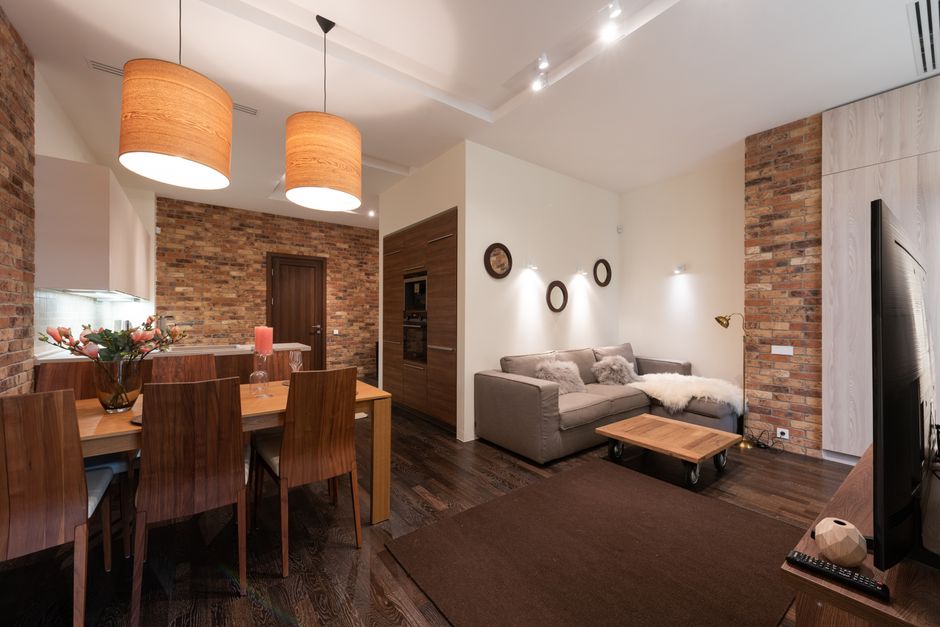
The Sofa Facing the Window: Bright and Airy, But Watch the Glare
Positioning the sofa so https://lilyluxemaids.com/i-keep-rearranging-furniture-and-it-still-feels-off-what-am-i-missing/ it faces a window can create a light-filled, cheerful space where natural light is your main source during the day.

Pros:
- Natural light boosts mood: Having a direct view of daylight and outdoor scenery can energize your living space, especially in small rooms.
- Invites morning or afternoon sun: Use light, sheer curtains or blinds to filter harsh light and reduce glare on screens.
- Creates a connection to nature: Appreciating the view can add calm, perfect for small relaxation zones or reading nooks.
Cons:
- Potential glare issues: TV viewing or tasks like reading electronic devices can be compromised without proper glare control.
- Traffic flow disruption: Windows near entry points or sliding doors might complicate where furniture can go without blocking pathways.
Glare Control Tips
- Invest in adjustable window treatments like black-out roller shades or cellular blinds.
- Layer lighting with table lamps and ceiling lights to supplement when natural light fades.
- Consider screen position to avoid reflections rather than having the window directly behind the TV.
The Sofa Facing the TV: Prime Entertainment Setup With Natural Light Considerations
Many homeowners instinctively arrange their sofas to face the television, particularly for movie nights and family gatherings.
Pros:
- Optimizes TV viewing: No neck craning or awkward angles during movie marathons or binge-watching.
- Centralizes social interaction: Seating is oriented toward the main focal point, which often encourages conversation.
- Easier traffic flow: Depending on room shape, this can open up pathways and prevent bunching near windows or doors.
Cons:
- Natural light might be sidelined: Windows off to the side or behind the sofa can be under-utilized or cause glare on screens.
- Less emphasis on relaxing vistas: If you love views outside, you might not get as much of that daylight benefit.
Lighting Strategies
- Harness layered lighting by installing a ceiling light for general illumination complemented by table lamps next to the sofa for cozy reading lights.
- Use dimmers on ceiling and table lamps to adjust brightness and create mood, compensating for limited daylight.
- Paint walls in consistent, mood-enhancing palettes like soft greys or muted blues to prevent harsh reflections and promote relaxation.
Balancing Both Worlds: Dual Zones and Layered Lighting
In many living rooms, the best solution is a combination approach—placing the sofa perpendicular to both the TV and the windows to create distinct zones.
Small Relaxation Zones
Zone Purpose Best Furniture Placement Lighting TV Viewing Area Entertainment and social gathering Sofa and recliners facing TV wall Ceiling lights plus table lamps with dimmers for evening use Window-facing Nook Relaxation, reading, or enjoying views Small armchair or loveseat near window, angled to avoid glare Natural light supplemented with a floor lamp or small table lampThis layout encourages seamless traffic flow and maximizes function while making room for those moments you want to soak in natural light or enjoy a calming retreat with a book and, perhaps, a CBD gummy from Joy Organics’ CBD gummies collection. Their THC-free and full-spectrum options can ease tension and https://fionafreshmaids.com/my-house-feels-drafty-but-i-cannot-find-where-it-is-coming-from/ foster relaxation, perfect companions to an inviting reading nook.
Mood-Based Paint and Consistent Palettes: The Unsung Hero of Layout
Subtle, consistent paint colors work wonders in tying together your living room layout whether your sofa faces the window or the TV.
- Balanced neutrals like warm beige or soft greys support both natural and artificial lighting without creating strain.
- Cooler tones like muted blues or greens can help reduce glare and promote calmness.
- Accent walls behind the sofa or TV can provide a focal point without overwhelming the senses.
Remember, paint can influence light reflection, so test swatches at night with your ceiling light and table lamps before committing. This helps avoid harsh shadows or glare in your preferred viewing or sitting areas.
Practical Tips for Your Living Room Layout
- Test lighting conditions at various times: Notice how natural light shifts and where glare appears.
- Layer lighting thoughtfully: Combine ceiling lights with table lamps to create flexible atmospheres.
- Maintain clear walkways: Place sofas and chairs where they don’t obstruct foot traffic or doorways.
- Create distinct zones: Allow separate spaces for TV watching and quiet relaxation, so each is optimized.
- Choose paint colors carefully: Work with undertones that balance your room’s natural light and complement your furnishings.
- Consider accessories & wellness: Incorporating products like Joy Organics’ THC-free CBD gummies collection can enhance your relaxation moments within these zones.
Conclusion: There’s No One-Size-Fits-All Answer
Whether your sofa should face the window or the TV depends on the unique characteristics of your living room and how you use the space. Prioritize natural light and glare control, layered lighting with ceiling lights and table lamps, and smooth traffic flow. Use paint color to reinforce mood and unify the space, and carve out small relaxation zones where you can enjoy the best of both worlds—sunlight and screen time.
Finally, complement your thoughtful design with lifestyle upgrades like Joy Organics’ CBD gummies collection—featuring THC-free and full-spectrum options—to help you unwind after a long day in your perfectly laid-out living room.
With this approach, your layout will be practical, inviting, and tailored just for you.