How Do I Make My Home Feel Calmer When the Neighborhood Is Noisy?
Living in a lively or noisy neighborhood can be a challenge when you're trying to unwind at home. Between traffic sounds, barking dogs, or late-night chatter, the constant background noise can wear down your peace of mind. Fortunately, with some thoughtful approaches—like strategic lighting, smart furniture placement, soothing color palettes, and cozy relaxation nooks—you can transform your home into a calming retreat despite the urban hustle.
In this post, I'll take you through practical, proven steps to craft a serene environment, including how to reduce background noise, improve the flow and comfort of your space, and incorporate natural elements that ease your senses.
Starting With a Walk-Through: Take Stock of Your Current Space
Before we dive into solutions, spend a few minutes walking through your home and noting where noise seems the loudest and where clutter or awkward layouts may disrupt calm. Pay particular attention to rooms facing the street or common noisy corridors.
- Which rooms get the most natural light?
- Where do you spend the most time relaxing?
- Do certain corners feel cramped or unwelcoming?
- Are there spots where soft furnishings or rugs might absorb sound better?
This quick assessment will help align your calming strategies with the unique character of your home.
1. Layered Lighting and Making the Most of Natural Light
Understanding how light influences your mood is essential. Bright, harsh lighting can add stress, while dim, warm lighting soothes the senses. When facing noisy neighborhoods, layered lighting becomes a crucial tool to create a calm haven inside.
Ceiling Lights for Overall Brightness
Start with ceiling lights that provide even, diffused illumination. Avoid glaring bulbs or harsh fluorescents which tend to increase tension. Dimmer switches for your ceiling lights can give you the flexibility to adjust the intensity throughout the day.
Table Lamps for Cozy Corners
Layer your lighting by adding table lamps around key seating areas and bedrooms. Table lamps with soft white bulbs offer a gentle glow and help create warmth during the evening hours when outside noise might feel more noticeable.
Use Natural Light to Your Advantage
Window upgrades like double-glazed or laminated glass can significantly reduce external noise and improve insulation from outdoor temperature swings. Plus, maximizing natural light can elevate your mood and make your space feel open and airy. Consider sheer curtains that allow light in while diffusing intense direct sunlight, adding to the comfort of your home.
2. Better Traffic Flow Through Thoughtful Furniture Placement
Next, focus on improving the traffic flow so your rooms feel uncluttered and inviting. Furniture that blocks pathways or crams walls creates unease and tension—exactly what you want to avoid.
- Pull furniture slightly away from walls: This allows sound waves to disperse more gently around the room.
- Anchor seating areas: Use rugs and furniture placement to define cozy zones for relaxation.
- Create clear walkways: Ensure there's at least 2 to 3 feet between major pieces to allow easy movement.
In noisy environments, rooms that feel spatially open can subconsciously relieve stress. If you're pressed for space, temporarily moving pieces and living with new arrangements before purchasing new furniture is something I highly recommend. Rearranging often solves clutter-related noise issues without the expense and impact of buying new items.
3. Mood-Based Paint and Consistent Palettes
Color psychology plays a bigger role in calmness than many realize. A consistent, muted color palette throughout your home can create a flow that helps tone down mental noise caused by external sounds.
Choosing Soothing Colors
Soft neutrals, pale blues, greens, and gentle earth tones promote relaxation and restfulness. Avoid bold or saturated hues in shared living spaces, as they can subconsciously increase alertness and tension.
Consistent Palettes for Peace of Mind
Stick to a complementary palette in your paints, furnishings, and soft furnishings like throw pillows and curtains. This consistency builds a visual rhythm, helping your mind settle rather than be overstimulated.
4. Soft Furnishings to Reduce Background Noise
Adding textiles to https://paintlogs.com/blog/creating-a-comfortable-home-for-everyday-living/ your spaces serves two valuable purposes: sound absorption and tactile comfort. Window treatments, throws, cushions, and upholstered furniture can help muffle ambient noise from outside, creating a cocoon of calm.
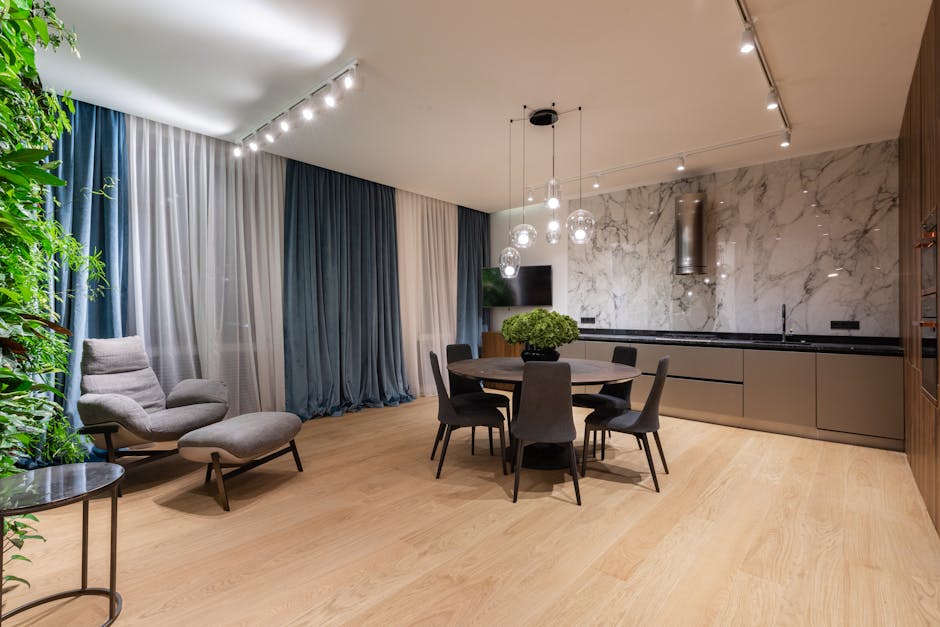
- Heavy drapes or layered curtains provide excellent sound barriers at windows.
- Area rugs with plush pile absorb footsteps and echo, particularly on hardwood or tile floors.
- Complement these with plenty of pillows and cushioned seating that invite lingering and relaxation.
5. Small Relaxation Zones: Your At-Home Escape
In busy or noisy neighborhoods, having dedicated small "chill zones" can make a world of difference. These can be small corners, window seats, or even a nook with a comfortable chair, side table, and layered lighting.
Use a small side table to hold your favorite books or a calming diffuser. This is also an excellent spot to enjoy wellness products like Joy Organics CBD gummies collection, which includes both THC-free and full-spectrum options designed to help reduce stress and promote restful evenings.
Test your lighting here at night—combining a soft table lamp with a dim ceiling light can make your nook feel like a gentle haven against the crooning city buzz. These tiny retreats offer your brain a chance to reset.

Bonus: Where Stuff Piles Up—Tidy Spaces, Clear Minds
A quick tip from years of home consultations: noise can feel more intrusive when your space is cluttered or disorganized. Make a habit of identifying where clutter tends to accumulate—maybe the entryway or the living room corner. Investing some time to tackle these areas with stylish storage solutions and smart furniture placement further enhances the sense of calm.
Summary Table of Key Tips
Focus Area What to Do Why It Helps Layered Lighting Use ceiling lights with dimmers and table lamps for soft glow Creates mood flexibility and reduces visual stress Window Upgrades Install double-glazed or laminated glass; use heavy drapes Reduces outdoor noise and controls natural light Furniture Placement Allow traffic flow and create open, inviting seating areas Minimizes cramped feel and improves psychological calm Color Palette Choose soft, muted hues like pale blue or sandy beige Calms the nervous system and encourages relaxation Soft Furnishings Add rugs, pillows, throws, and curtains Absorbs sound waves and increases comfort Relaxation Zones Create small cozy corners with soft lighting and wellness products Provides mental breaks from noise and stressFinal Thoughts
Making your home feel calmer in a noisy neighborhood isn't about escaping reality but about creating balance. Thoughtful lighting, sound-absorbing soft furnishings, intentional color choices, and practical furniture arrangements form the foundation of your indoor oasis. Don’t forget to carve out mini relaxation zones and enhance them with calming aids like Joy Organics CBD gummies, which can support your journey toward relaxation naturally.
Before investing in new items, live with each adjustment a few days to test its impact on your mood and comfort—especially at night when neighborhood noise often feels loudest. Ready to reclaim your sanctuary? It starts with small, mindful steps.